

ECG · Anesthesia
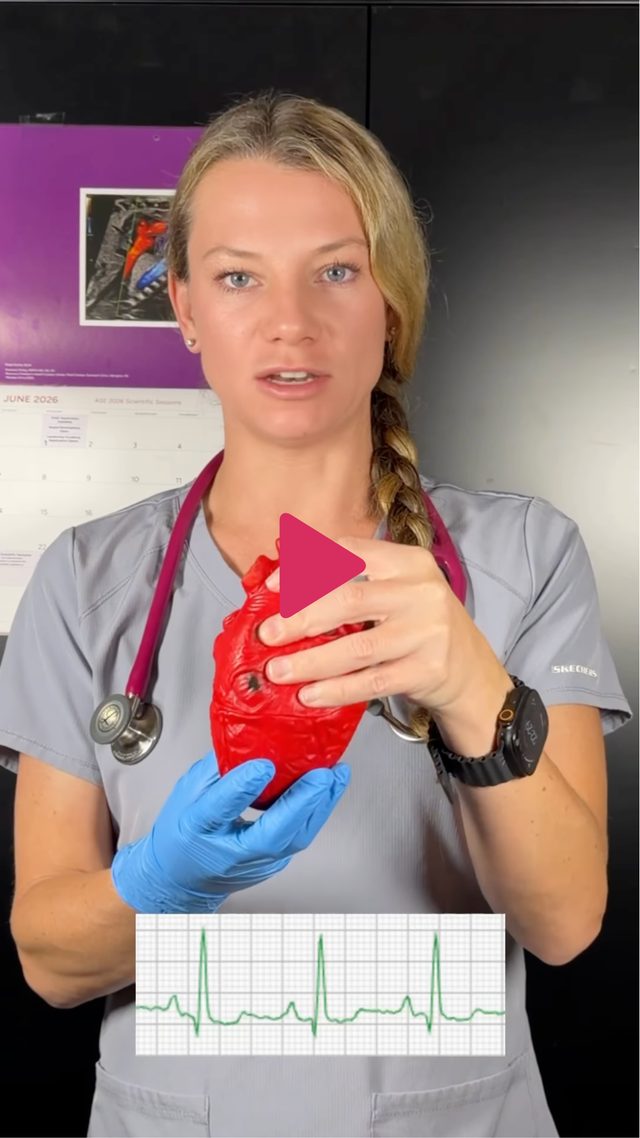
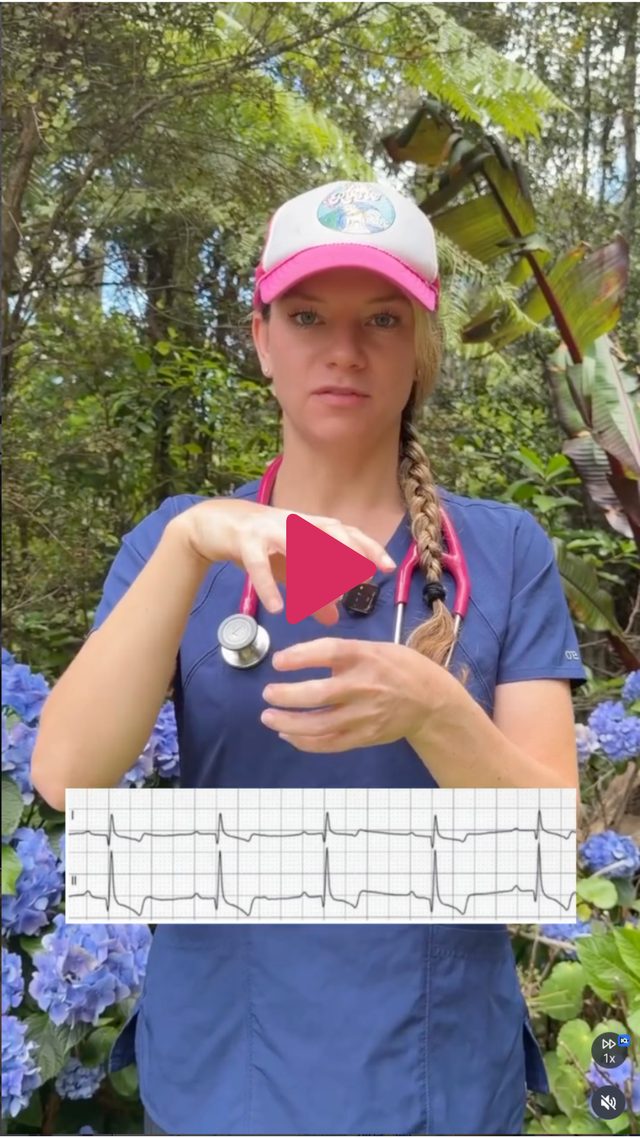
An arrhythmia in a young dog before surgery.
A healthy dog booked for a spay, with a regularly irregular rhythm. Reading the respiratory sinus arrhythmia, and knowing normal when you see it.
Read the case →Veterinary Cardiology
Dr. Hayley McDonald is a board-certified veterinary cardiologist. She breaks down real cases, the ECG and the echo, and the calls that carry risk, for the vets and technicians who handle cardiac cases without a specialist on site.

About
They happen in general practice exam rooms, in emergency clinics at 3AM, under anesthesia during a routine dental. Dr. Hayley McDonald is a board-certified veterinary cardiologist who makes cardiology content for exactly those situations. Real cases, worked through clearly, the way Dr. Hayley would talk a colleague through them.
Beyond the feed, Dr. Hayley’s clinical case reports and cardiovascular research appear in peer-reviewed journals. She has also presented her work at international cardiology congresses, including ACVIM and ECVIM.
She was also featured on Vet Candy, the veterinary news platform, breaking down hypertrophic cardiomyopathy in cats for veterinary professionals.
More about Dr. Hayley
Work with Dr. Hayley
Dr. Hayley speaks, guests on podcasts, and works with brands and organizations across veterinary medicine. To talk about booking or a collaboration, get in touch.
For vets and techs
Real cases and the reasoning behind them, for the next time it is you in the room.
An actual patient from how they presented to the plan, through the ECG and the echo, so you know what to look for.
How to read a finding for what it means about the heart underneath, including what is missing from the strip.
Cardiology in general practice, in emergency, and under anesthesia, for when there is no specialist to call.
The drug choices and monitoring calls that carry real risk, before they become a problem.
“Stop looking for what’s there and start noticing what’s missing.”
Dr. Hayley McDonald
Newsletter
New case breakdowns and teaching, sent to your inbox so you do not have to rely on the feed to catch them.
Latest
ECG · Anesthesia
A healthy dog booked for a spay, with a regularly irregular rhythm. Reading the respiratory sinus arrhythmia, and knowing normal when you see it.
Read the case →
Anesthesia
A cat booked for surgery, bright at home, with no conduction reaching his ventricles. Reading the AV dissociation, then the anesthetic risk it creates.
Read the case →
ECG
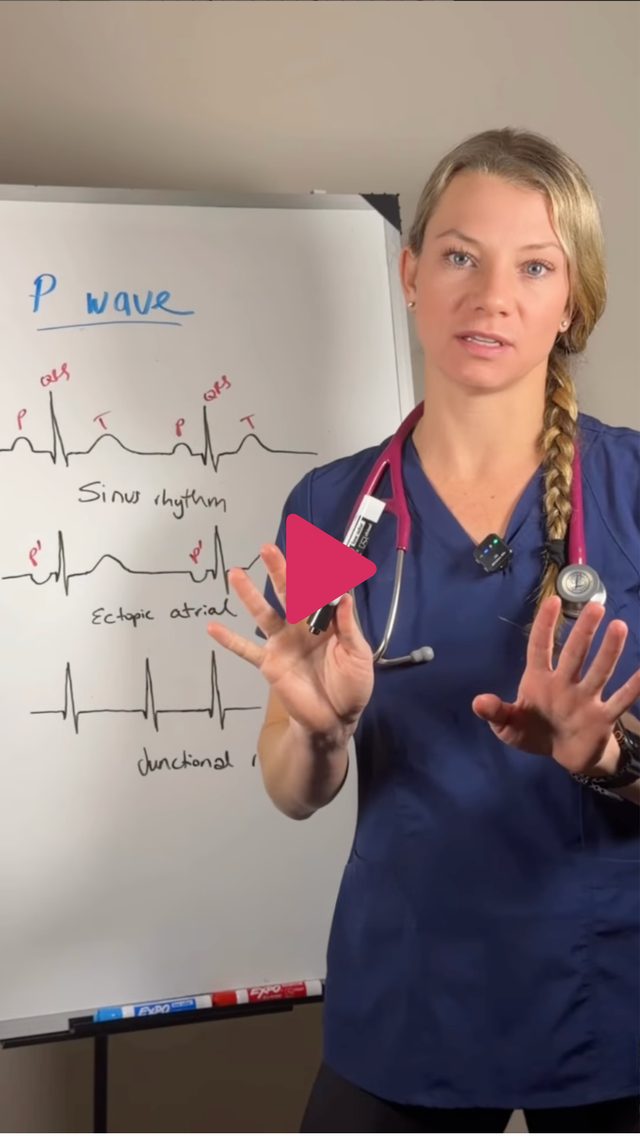
A Cavalier with a murmur and the occasional early beat. Reading the premature P wave, then what it says about the valve underneath.
Read the case →Follow
New cases and teaching, most days. The latest from Instagram:
From the comments
You have no idea how badly I needed this visual. Going into med surg 3 and afraid of learning to read EKGs. This is helpful.
Thanks for the clear explanation.
This is amazing, thank you.
Watched it five times.
You’re the best.
I’m learning a lot.
You’re the best at explaining ECGs. Thank you.
Love this. Even I can understand it.
Thank you for sharing. I have a much better understanding of the difference in rhythms now.
Please do more of these. I love the visual aid.
This is so helpful.
A good lecturer explaining sinus rhythm.
Finally, a visual of what this meant. It makes so much sense now.
Thank you for explaining this so well.
Such a brilliant way of showing what this all means. Can we have some more please.
Perfect. No one teaches like you. Such a great teacher.
Thank you for the constant great education.
This is a brilliant way of teaching.
Yes. I’m a visual learner, and this makes so much more sense.
Very good explanation.
I’m a cardiac nurse and this is so helpful. Please do more.
Please do this with all the other rhythms. Sincerely, a new grad who needs visuals to learn anything.
Great explanation.
You are brilliant. I never understood until now.
I love this. I can’t wait to show the people I train. I could never explain it this well.
Love this.
This helps me visualize so much. EKG strips just look like squiggly lines, and I’ve been a nurse for a year.